If your building still relies on old lead pipes, it’s time to have a serious conversation about safety, compliance, and your long-term plumbing infrastructure. Whether you own a home, a commercial property, or manage an apartment building, understanding the shift from lead to copper is not just helpful; it’s essential.
At Harris Water Main & Sewer, we’ve helped thousands of NYC property owners navigate the difficult but necessary process of lead service line replacement. In this blog, we’ll walk you through everything you need to know, from health concerns to the actual process of lead pipe replacement, who’s responsible, and how to get it done right.
A lead service line is the underground pipe that connects your property’s plumbing to the city’s main water supply. In older buildings throughout New York, this line was historically made of lead.
The issue? Lead is a toxic metal that can leach into drinking water and cause serious health risks, particularly in children and pregnant women. There is no safe level of lead exposure.
Even if your home’s interior plumbing is modern, the lead water service lines buried underground can still pose a threat every time you turn on the tap.
Lead can slowly erode into your water supply without changing the taste, smell, or color. It’s invisible and dangerous.
The EPA and CDC agree that replacing lead lines entirely is the best solution. This makes lead water pipe replacement one of the most important upgrades you can make for your home or property.
Here’s why delaying isn’t worth the risk:
That’s why many cities, including New York, have launched official lead line replacement program initiatives to encourage proactive upgrades.
Some companies may offer to line the water pipes as a temporary solution. While this can reduce corrosion in the short term, it’s not a permanent fix.
Most lead service line replacement programs and health authorities strongly recommend full replacement, not lining.
If you want a solution that’s durable, legal, and fully eliminates the risk, replace lead pipes; don’t coat them.
This is one of the most common questions we hear: “Who is responsible for replacing lead water pipes?”
In NYC:
Our team helps you navigate these boundaries, apply for support if eligible, and coordinate the full job, including public-side replacements when applicable.

Not sure what your underground pipes are made of? Here are a few red flags that you may have a lead line:
If you’re unsure, Harris Water Main & Sewer offers inspections to confirm your pipe material and advise on whether replacing the water main pipe is necessary.
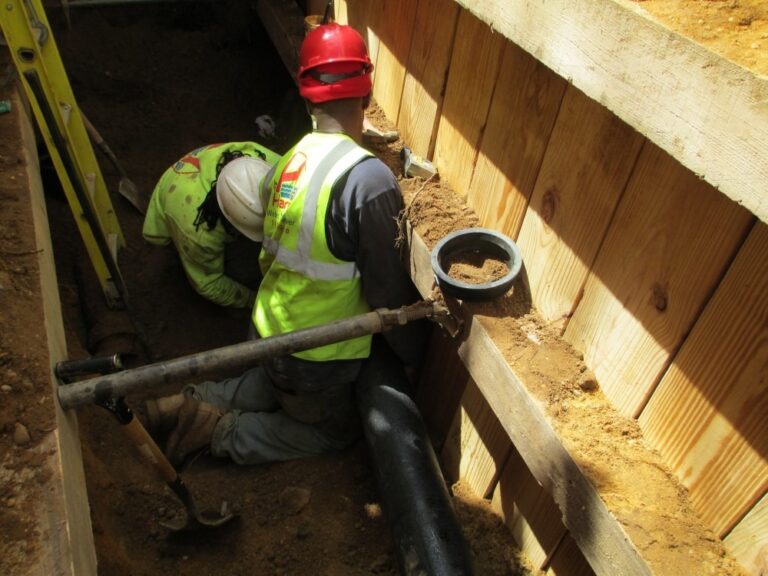
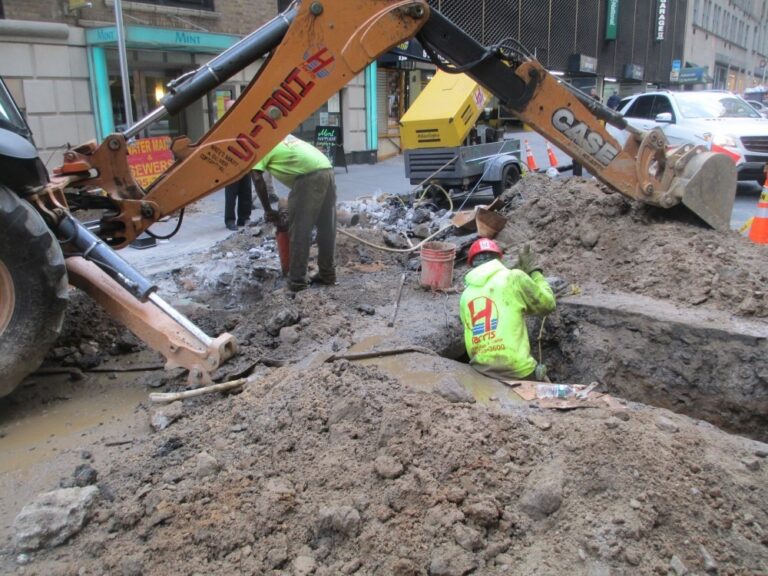
Here’s a simplified version of what to expect:
We handle all aspects of the lead water line replacement, so you’re never guessing what comes next.
NYC and many other cities offer lead replacement program support, especially for low-income households, schools, or buildings with high lead levels.
Through the lead service line replacement plan, some or all of your project cost may be subsidized or reimbursed.
We help property owners:
This makes it easier and more affordable to replace lead pipes while remaining in good standing with local ordinances.
The service line replacement cost depends on several key factors:
Typical costs in NYC can range from $5,000 to $15,000+, depending on complexity. However, thanks to the water line replacement program, some owners receive partial or full funding.
We provide free, upfront estimates so you know exactly what you’re facing, and we help you plan accordingly.
When changing lead pipes, copper remains the top choice for NYC water mains:
While other materials may be cheaper in the short term, they often fail sooner or lack long-term safety. Replacing the water main pipe with copper is the standard Harris Water Main & Sewer uses on all qualified jobs.
There are many companies offering contractor lead service, but few bring the century-long experience and city-specific expertise of Harris Water.
We offer:
If you’re looking for long-term safety, compliance, and zero corners cut, we’re your team.

You should schedule an immediate replacement if:
Don’t wait for a cracked line or failed inspection to act. Replacing a water line proactively protects your home and your health.
With increasing enforcement from DEP and new city initiatives, more owners are taking action.
Property values benefit from lead pipe replacement. Buyers are asking about lead water service, and lenders may even require documentation of safe materials.
Insurance carriers are also beginning to view replacing lead service lines as a best practice, and some may offer discounts or incentives when the work is completed.
We don’t believe in temporary fixes or shortcuts. Our process for lead water service line replacement includes:
When you choose Harris, you’re choosing safety, transparency, and the highest quality craftsmanship.
Disclaimer: This article is general and may not reflect NYC requirements. For NYC-specific guidance, contact Harris Water Main & Sewer Contractors.
Still unsure if your property qualifies or needs lead service line replacement? That’s why we’re here. Call Harris Water Main & Sewer to schedule your inspection, get a personalized quote, and find out if you qualify for lead service line replacement programs. Let’s make your property safer, cleaner, and future-proof from lead to copper.