
If you landed here for sewer line replacement cost, you deserve real numbers and real “this is what you’re paying for” detail, not fluff. In NYC, the cost to replace a sewer line is rarely just pipe and labor. It is permits, inspections, excavation logistics, and restoration that often decide whether your replacement sewer line cost feels manageable or shocking.
We’re going to walk through the most common NYC price ranges we see going into 2026, then break the job into cost buckets you can actually use to compare estimates. We’ll keep this practical, like we’re standing in your basement looking at the cleanout together.
Here are the NYC benchmarks most homeowners use to double-check a quote:
A quick example you can do on a notepad:
If someone quotes you “$6k total” for a full run and it includes roadway, permits, and restoration, it can be real, but it’s uncommon. That is when you ask for line items.
If you want a practical way to understand average sewer line replacement cost, stop thinking in one number and start thinking in buckets. Here are the buckets that typically make up your 2026 sewer replacement cost in NYC.
This is the cheapest money you can spend to avoid an expensive mistake:
Typical range: $200 to $800, depending on access, urgency, and whether locating is included.
This step can prevent you from paying the full cost of replacing a sewer line when the real issue was a short defect with a lower sewer line repair cost.
NYC jobs often involve both NYC DEP requirements and NYC DOT Street Opening Permit rules if the work opens the sidewalk or roadway. You may also see PARIS ePermits referenced on paperwork for DEP-related filings.
Typical range: $500 to $2,500+ depending on scope, street type, and admin load.
This bucket matters because if permits are not handled correctly, work can stall, and delays can increase labor and restoration costs. That is how a “reasonable” price to replace a sewer line turns into a painful one.
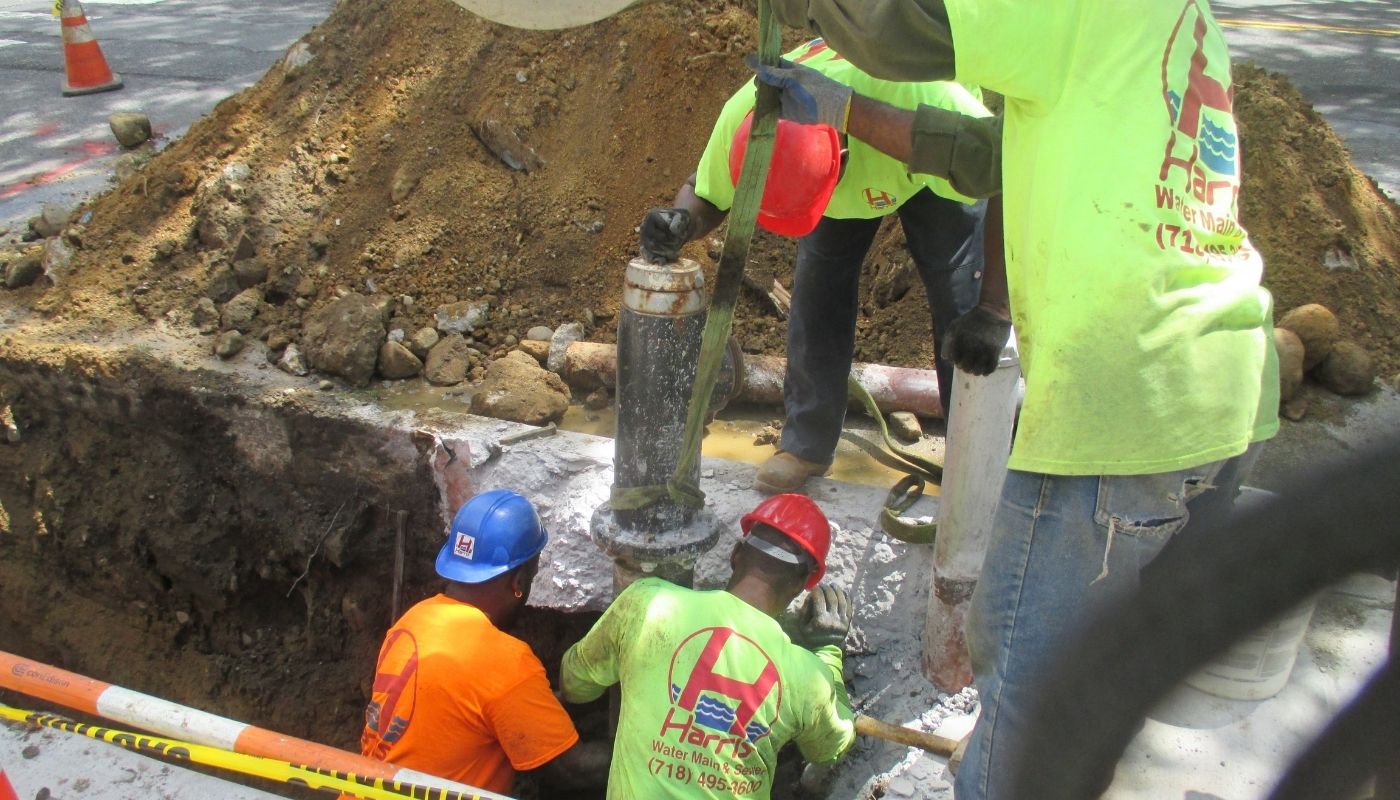
This is the part that costs contractors to under-explain. Excavation includes:
Typical range: $4,000 to $18,000+, depending on depth, access, and whether it’s sidewalk-only or roadway.
This is why two homes with the same footage can have wildly different sewer pipe replacement costs.
This includes the new pipe material, fittings, and the work to reconnect properly at the building side and the city tie-in. In NYC, pipe material choices can be influenced by local standards and job conditions, so don’t assume every quote is equivalent.
Typical range: $1,500 to $7,000+, depending on footage, diameter, material, and connection complexity.
This bucket is the heart of your new sewer line cost, but it’s rarely the biggest bucket.
If your quote doesn’t spell this out, you do not have a real cost to replace the sewer line yet.
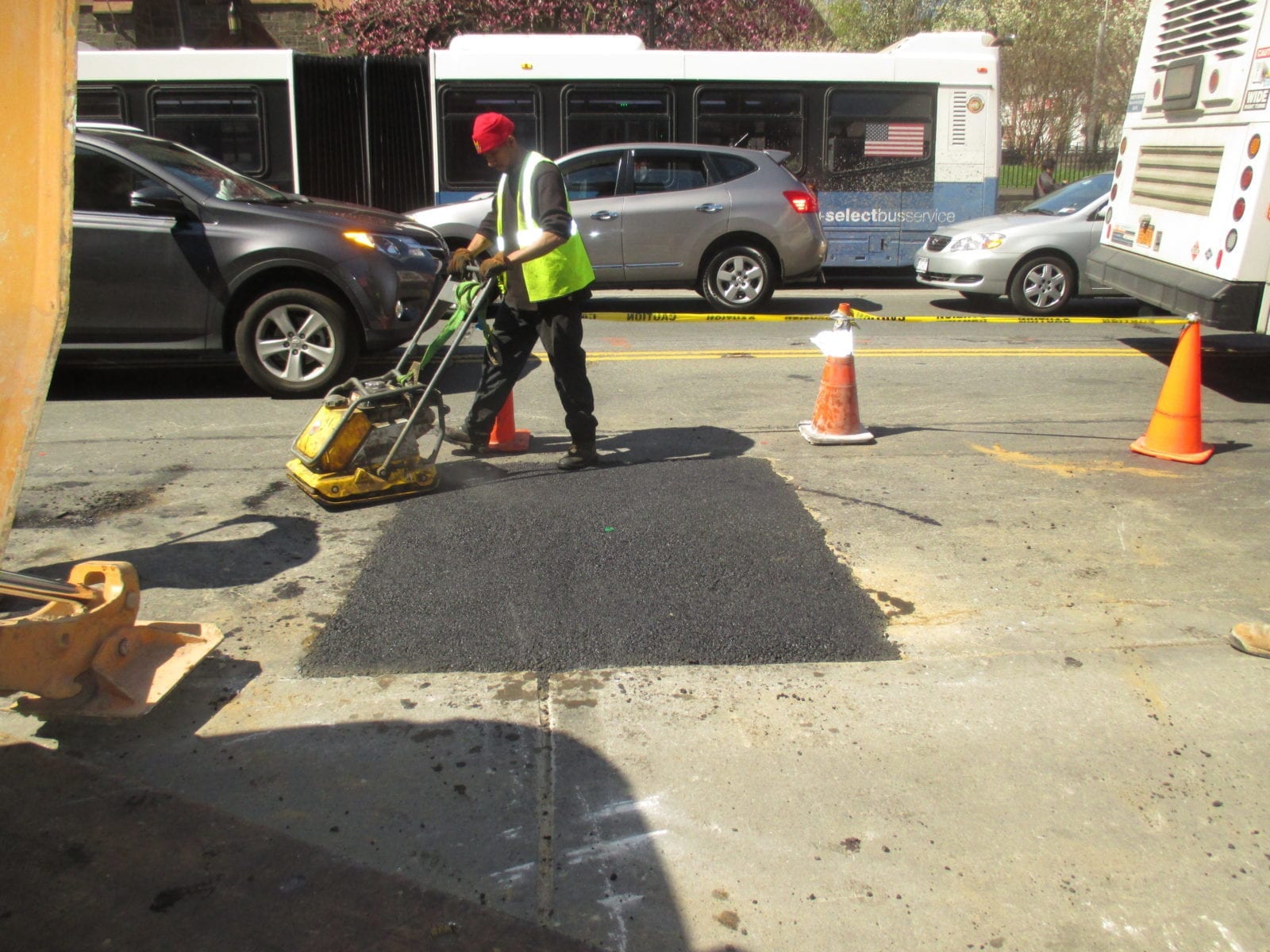
Restoration can include:
Typical range: $2,000 to $12,000+, and it can be higher on roadway work or strict restoration streets.
Restoration is one of the biggest reasons homeowners feel their cost of sewer line replacement “jumped” mid-project.

A lot of people come to us asking about sewer line repair cost first because they want the cheapest fix. That’s fair. The goal is to pay once, not pay forever.
A repair can be the right move when the defect is localized:
Typical targeted repair range in NYC: $2,500 to $8,500, depending on access and restoration.
Replacement usually becomes the smart money decision when you have:
Typical full replacement range: $10,000 to $25,000+, depending on depth, roadway scope, and restoration.
This is where homeowners get trapped in recurring sewer backup repair cost cycles. They pay for emergency cleanouts, then a patch, then another emergency. At a certain point, the cost of sewer line repair becomes higher than the cost of replacing the sewer line.
Trenchless can be a fit in some scenarios, but it is not universal. The practical way to think about it is: if the pipe is deformed, offset heavily, or collapsing, trenchless is less likely to deliver a stable long-term result. In those cases, trenchless can turn into “pay twice” work.
If someone tries to sell you trenchless without showing camera evidence and explaining how connections will be handled, slow down and ask better questions.
Homeowners often ask, “If we spend this, how long should it last?” That’s the right question for the cost of replacing the sewer pipe.
In NYC, the lifespan you get depends on:
A “cheap” install can create future blockages even with a good pipe. A good install is why your service line replacement cost actually buys peace of mind.
Timeline matters because labor is a major part of sewer replacement costs.
Typical NYC timing:
If your quote is aggressive but doesn’t mention permits, inspections, or restoration sequencing, it may not represent the true cost of sewer line replacement.
This is a big reason people look for the replacement main sewer line cost and get confused.
In NYC, the city generally maintains the main sewer in the street. Still, the property owner is typically responsible for the private sewer service line from the building to the connection point. That’s why the cost to replace a sewer line usually lands on the owner when the defect is on the private run.
Practical tip: before you approve a high cost of sewer line replacement, confirm the defect location with a camera and locating so you’re not paying for the wrong scope.
Disclaimer: This article is general and may not reflect NYC requirements. For NYC-specific guidance, contact Harris Water Main & Sewer Contractors.
At Harris Water Main & Sewer Contractors, we don’t guess your sewer line replacement cost from a photo. We confirm the defect with camera evidence, locate it so excavation is targeted, and write quotes that include the NYC realities that other bids “forget,” especially permits and restoration.
If you want a borough-specific estimate for the cost to replace the sewer line in 2026, start here: Harris Water Main & Sewer Contractors. We’ll tell you what bucket your job is in, what’s driving the number, and what a fair price to replace the sewer line should include, so you’re not surprised halfway through the work.