When a GC calls us for new construction plumbing in NYC, they usually say some version of: “We need a plumber for new construction who can keep pace with the schedule, pass inspections, and not create last-minute surprises.” That’s exactly how we run our jobs at Harris Water Main & Sewer Contractors. We plan the system like a production line, not a repair call, because plumbing in new construction is all about sequencing: sleeves before pours, risers before close-in, pressure tests before walls, and trim when finishes are ready.
NYC also adds layers that out-of-town teams underestimate: the NYC Plumbing Code regulates installation and alteration of waste, domestic water, gas piping, and fire standpipes, and DOB requires inspections for permitted work. That means the “best” new construction plumber is the one who builds to pass, documents everything, and coordinates with the jobsite instead of fighting it.
A serious new build plumbing scope is more than “pipes and fixtures.” On a typical new plumbing installation, we coordinate the system from street connection to rooftop, including:
This is the real-world foundation of plumbing new construction. If you’re planning new residential plumbing or mixed-use, we also coordinate fixture carrier locations, chase layouts, and the “no surprises” details like access panels, cleanout placement, and where the shutoff strategy actually lives.
A lot of pages lump everything together, but the work and coordination are different.
For residential new construction plumbing, the pressure points are repeatability and finish protection. You want consistent rough-in heights, quiet drainage performance, correct venting, and tight trim timing so you’re not holding up tile, cabinets, or inspections.
For plumbing work in building construction on commercial or mixed-use jobs, the pressure points are documentation, inspections, and staged turnover. You might have multiple risers, multiple meters, tenant build-outs, and more intense coordination with MEP and fire protection.
Either way, the goal is the same: build a new plumbing system that passes inspections and supports occupancy without recurring callbacks.
People looking for “how does plumbing work in a house” often think it’s just supply in and drain out. On new construction, we treat it like a controlled network:
This is why plumbing a new house is not the same as replacing a bathroom. When we plan new home plumbing installation, we start with the riser strategy, the chase strategy, and the “future service” strategy. A building that is easy to service is a building that stays profitable for the owner and calmer for the super.
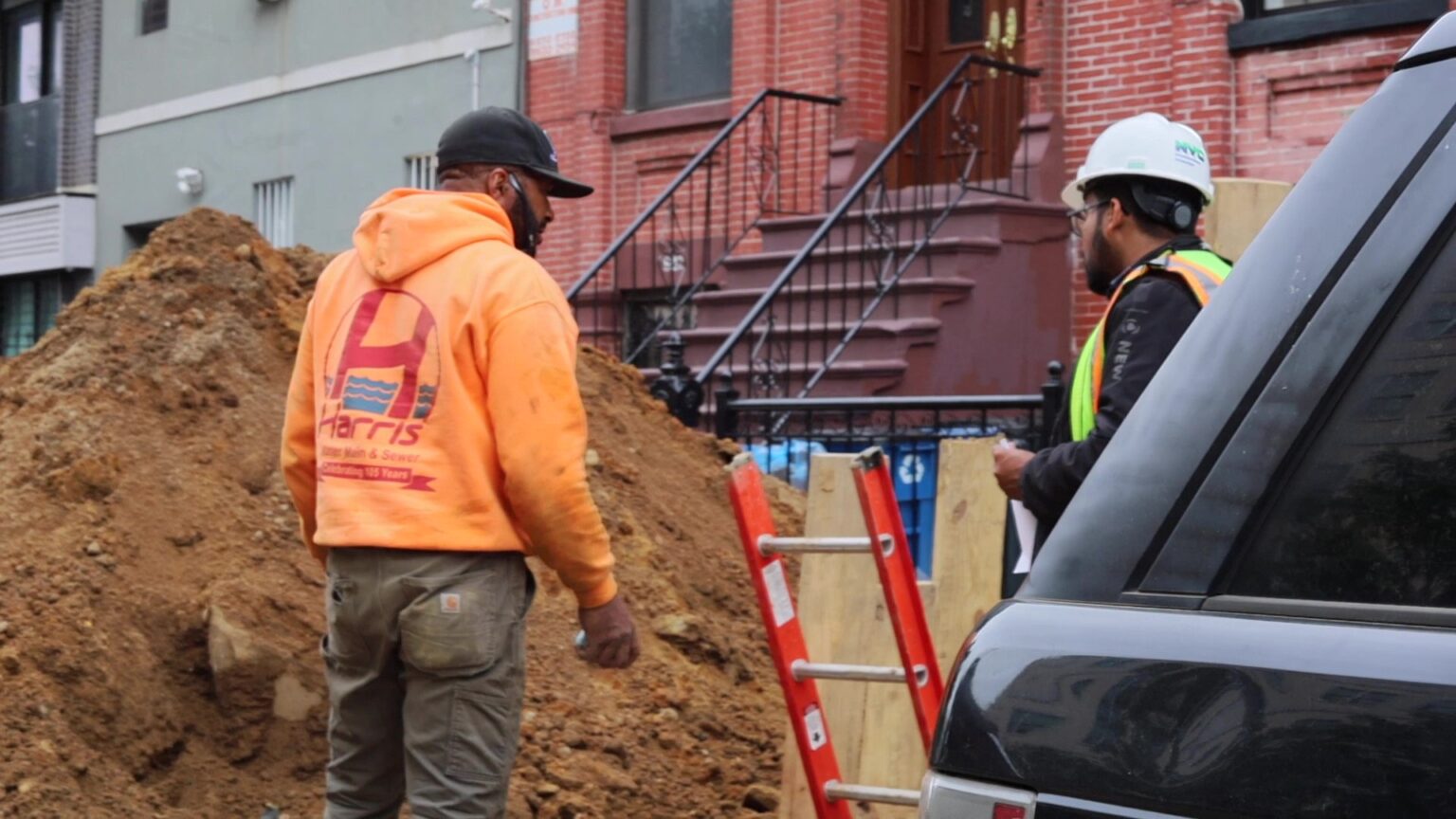
Every new construction plumbing installation has predictable phases:
This is where we set the bones of the building: stacks, branches, vents, and domestic water mains. If your team is trying to plumb a house or a multi-unit building, this is also when sleeves, cores, and block-outs must align with structure and firestopping plans. Good rough-in is quiet, square, and repeatable.
This is where projects win or wobble. We coordinate pressure tests, verify slopes, confirm cleanouts, and make sure the system is inspection-ready. The NYC Department of Buildings requires inspections for plumbing work that requires a permit. The practical impact is simple: we build for the inspection, not for hope.
This is where your new house plumbing becomes “touchable.” We set fixtures, stops, valves, and final connections with finish protection in mind. It’s also where punchlists explode if the rough-in was sloppy, which is why we treat trim like the reward for disciplined rough-in.
NYC is not forgiving about paperwork and inspection discipline. The DOB states plumbing work involving alteration or removal of piping must be supervised by a Licensed Master Plumber (LMP), and the LMP must obtain permits and arrange tests and inspections by a DOB inspector. That matters because it changes how you choose new construction plumbers. You’re not only hiring labor, but you’re also hiring the ability to file correctly, schedule inspections, and close the job out.
On the utility side, if the project requires connecting to a city sewer, NYC DEP requires a sewer certification and says those certifications must be submitted by NYS licensed Professional Engineers or Registered Architects on behalf of the owner/developer. DEP also notes that the subsequent sewer connection permit provides the authorization to conduct the connection work.
One more NYC reality that affects schedule and coordination: NYC DOT defines a protected street as resurfaced or reconstructed within the last five years, and says street openings are not allowed except for emergency work or authorization. If your construction plumbing work includes street openings, this is the kind of detail that can change sequencing and lead times.
If you’re hiring a plumber for new construction, here’s what we recommend you expect in writing. This is also how we run our projects:
This keeps new home plumbing and multi-unit work from becoming chaos at the finish line.
If you’re looking for plumbing tips for a new house because you’re building or GC’ing a home, these are the “quiet wins” we push early:
These aren’t theories. They are the difference between a smooth turnover and “why is the tub gurgling” on move-in week.
Disclaimer: This article is general and may not reflect NYC requirements. For NYC-specific guidance, contact Harris Water Main & Sewer Contractors.
At Harris Water Main & Sewer Contractors, we approach new construction plumbing services like a partnership with your schedule. We plan the rough-in to reduce conflicts, build for inspection success, and trim with finish protection so the building turns over cleanly. If you need plumbers for new construction teams for a townhouse, multi-family, or mixed-use build, we can scope it, coordinate permits and inspection readiness, and keep the job moving without excuses.
If you want to talk through your project and get a build-ready plan, start with Harris Water Main & Sewer Contractors and tell us what you’re building and where in NYC.