If you’re dealing with an old clay sewer pipe, you deserve clear choices and a fix that lasts. That’s how we approach clay sewer pipe repair at Harris Water Main & Sewer.
Clay sewer lines can be stubborn. A small crack might be a simple win, but a “quick patch” can also turn into repeat digging. Here’s how we decide when a sewer line spot repair makes sense and when it doesn’t.
Many older homes have a clay sewer pipe made from vitrified clay pipe (VCP). Clay resists rust and corrosion, which is why it was used for decades. The weak spots are usually the joints and the ground around them. Over time, soil movement can shift sections and open tiny gaps.
In clay soil or expansive clay soil, wet-dry cycles can push and pull on the line. On camera, that can look like offset joints or an offset sewer line where sections slip out of alignment.
Key Point: With clay pipes, sewer systems, joints, and ground movement are usually the first trouble spots.
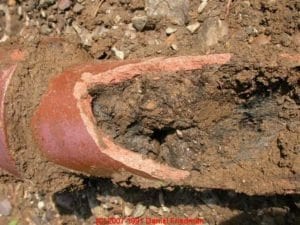
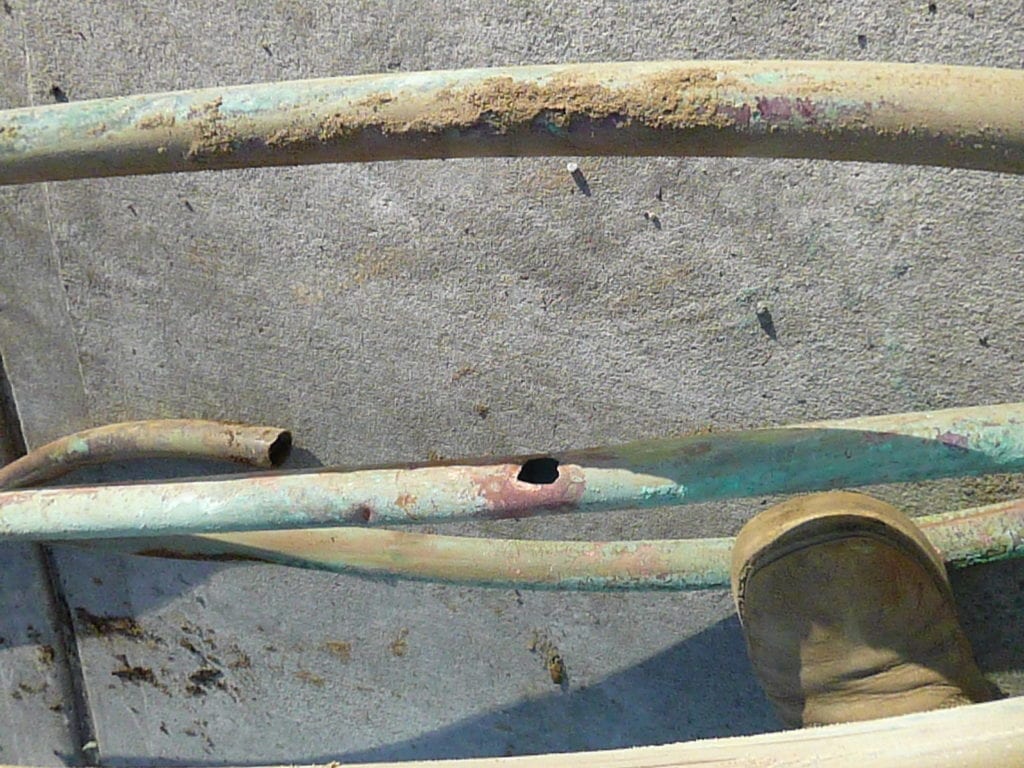
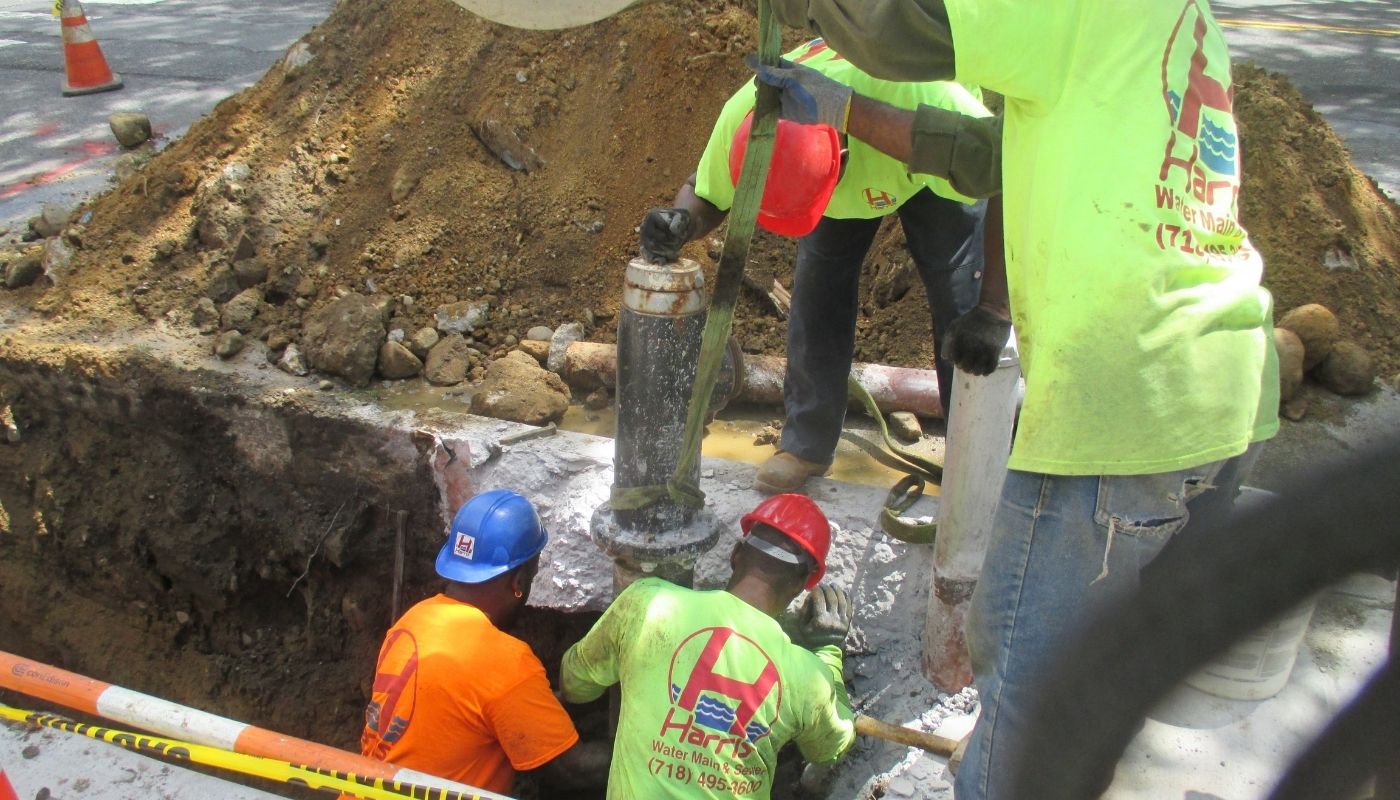
A true spot repair is a targeted fix on one damaged area. If you have a broken clay sewer pipe in one short section, we can excavate, remove the damaged piece, and replace it. Depending on the defect, we may use a clay pipe repair sleeve.
You’ll also hear about point repair methods: fix one confirmed defect instead of rebuilding everything.
We confirm it with a video camera inspection so the repair matches the real defect.
A spot repair is usually right when the damage is localized. For a cracked clay sewer pipe, we look for:
Key Point: A spot repair is a win when it ends the issue, not when it just buys a few weeks.
A spot repair is usually the wrong move when the line is failing in multiple places. Watch for:
In these cases, we typically compare spot repair to lining clay sewer pipe solutions or replacement, based on what the camera shows.
Here’s the simple comparison for clay sewer pipes.
A spot repair is best for one confirmed defect, especially when the rest of the clay sewage pipe run looks healthy.
If the line is mostly intact but has cracks or joint gaps, pipe relining can be a better investment. Trenchless pipe lining is popular for relining clay sewer pipe projects, also called lining clay sewer pipe, because it strengthens more than one joint.
If the line is collapsed, badly misaligned, or failing in several areas, full sewer line replacement is often the honest answer. Replacing a clay sewer pipe costs more upfront, but it can stop repeat emergencies.
Pipe bursting is a form of trenchless sewer repair that can replace the line with less digging when conditions are right.
Key Point: The camera decides the option. The best choice depends on defect count, alignment, and overall pipe health.
We can’t quote a real price, but we can tell you what usually drives the cost of clay sewer lines. If two homes have the same crack, the “real bill” can still be very different because of access and depth.
Key Point: If you want to control cost, start with a sewer camera inspection so we can repair the right section the first time.
Some properties have more than one old clay system. We often see old clay drain pipes used as yard drainage. Clay drainage pipes can crack and leak, causing soggy areas or sinkholes. In rare cases, homeowners ask about an old clay water pipe, too, and we help identify which line is which.
If you’re trying to fix a drain pipe outside, we can use a camera and locate the break, then tell you if a spot repair is practical or if a partial rebuild is smarter.
With older clay pipes, plumbing, watch for:
These signs suggest it’s time for a camera to confirm broken drain pipes or damage in clay sewer lines.
We see people looking for how to cut clay sewer pipe because they want to patch a damaged section fast. Clay can shatter, and a misaligned reconnection can create new offsets. If you have exposed clay pipe plumbing, confirm the bigger picture with a camera before cutting.
With Harris Water Main and Sewer, we keep it straightforward:
If you need help deciding the right fix for your clay plumbing pipes, start with our sewer and water services and then request a quote so we can schedule an inspection. We work on the sewer service line (your sewer lateral) and full runs, too.
Sometimes, when the defect is localized, the surrounding pipe is stable. We confirm with a video camera inspection first, so we’re not covering up multiple defects.
It depends. Relining clay sewer pipe fits a mostly intact line with cracks or joint gaps. Replacing a clay sewer pipe is better for collapse, major offsets, or multiple failures. The camera makes it clear.
Trenchless sewer repair can help with cracks and minor gaps. Severe offset joints often need spot excavation first, then lining if the rest needs reinforcement.
Because drainage lines sit in shifting soil and can settle or separate. Old clay drainage pipes are especially vulnerable where bedding washes out.
A sewer camera inspection. It shows whether it’s a cracked clay sewer pipe, roots, an offset joint, or a collapse, and it pinpoints the location.
Disclaimer: This article is general and may not reflect NYC requirements. For NYC-specific guidance, contact Harris Water Main & Sewer Contractors.
A spot repair isn’t “good” or “bad.” If the camera shows one clear defect in a healthy clay sewer pipe, a spot repair can save money. If the line is failing in multiple places, the smarter move is often lining clay sewer pipe, pipe relining, pipe bursting, or a full sewer line replacement.
If you want a clear answer without the guessing, we’re ready. Contact us, we’ll inspect your clay sewer pipes, explain what we see, and help you choose the repair that actually ends the repeated problems.