
If you own a home in New York City, you already have enough on your mind without worrying about what is buried under the sidewalk. Most of the time, you turn on the tap, the water flows, and you do not think twice. Then one day, there is water on the sidewalk, a strange hiss in the walls, or a bill that suddenly doubles. That is usually the moment your underground water line decides to introduce itself.
At Harris Water Main & Sewer, this is the world we work in every day. We spend our time in trenches and street openings, so you do not have to. We meet real families, older adults, and busy landlords who suddenly discover that their water lines underground are cracked, leaking, or simply too old to trust. Our goal with this guide is simple: explain the risks in simple words, walk through the fixes, and show how a trusted local team can protect you from costly mistakes and smooth talkers.
Every building in the city relies on one main supply water line that runs from the city main in the street to the foundation wall. That buried pipe is often called the service line or main water line pipe. Once it enters the building, it becomes part of your domestic water line, feeding every bathroom, kitchen, and water line for sink, shower, and appliance.
From your side of the wall, it seems simple. You open a tap and water appears. On our side, there is an entire network of water lines, plumbing, and fittings working quietly in the background. The plumbing water line that feeds your home sits under constant pressure, surrounded by soil and other utilities. When that pipe fails, it does not just take out one fixture. It affects your entire home or building, which is why any problem with a water line underground deserves quick attention.
New York is tough on buried pipe. Many underground water lines were installed decades ago with materials that no longer match today’s standards. Some still use older water line pipe material, such as lead or galvanized steel, that has been in the ground for generations. Those pipes corrode, thin out, and become more fragile with every winter.
Even newer copper pipe for the water line can run into trouble if it was installed poorly. If a pipe for an underground water line was laid on sharp rocks, set at the wrong depth, or kinked during installation, stress will build, and small flaws become real leaks or breaks. The underground water line pipe also has to deal with constant ground movement from traffic, nearby excavation, and normal soil settlement. Shallow sections near the exterior water line feel pressure from freezing and thawing, and roots from curbside trees can push against the line and squeeze the path of the water line underground.
Most problems do not start with a dramatic geyser. They start quietly, and the clues are easy to miss when life is busy. A few common warning signs include:
Sometimes you may hear a faint hissing sound in the basement or near the point where the main water line to the house repair work would take place, even when every fixture is shut. That can be pressurized water escaping from a hidden leak. If the leak grows, water can wash away soil, cause concrete to crack, and create icy patches in winter that are dangerous for anyone walking by. It is much easier and cheaper to speak with us about emergency water line repair at this stage than to wait for a complete break.
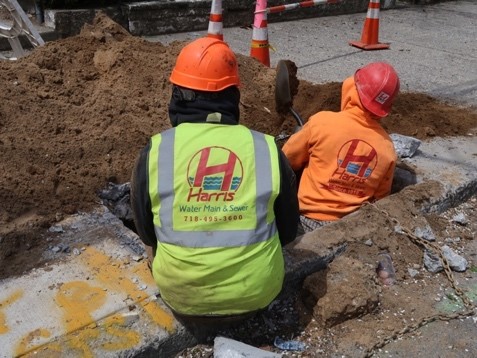
When you call us, we do not simply show up with a machine and start digging. We begin with a careful look at your property. We trace the likely path of the water line underground, check where it enters the foundation, and note the age and type of water line pipe material in place. We listen closely to what you have seen and heard so far.
To pinpoint the problem, we combine experience with practical tools. In many cases, we can locate the failing pipe for the underground water line by listening for leaks, testing how the system behaves under different valve positions, and opening a small test pit in the area we suspect. Our goal is to expose only what we have to while still giving you a complete and lasting fix.
While we are on site, we also review the safety devices that protect your water system. A backflow valve for the water line may be required in some buildings to prevent contamination, and properly working check valves for water lines keep water moving in the right direction. When we perform water line repair and replacement, we make sure these parts are functioning as they should, so your system is safe as well as reliable.
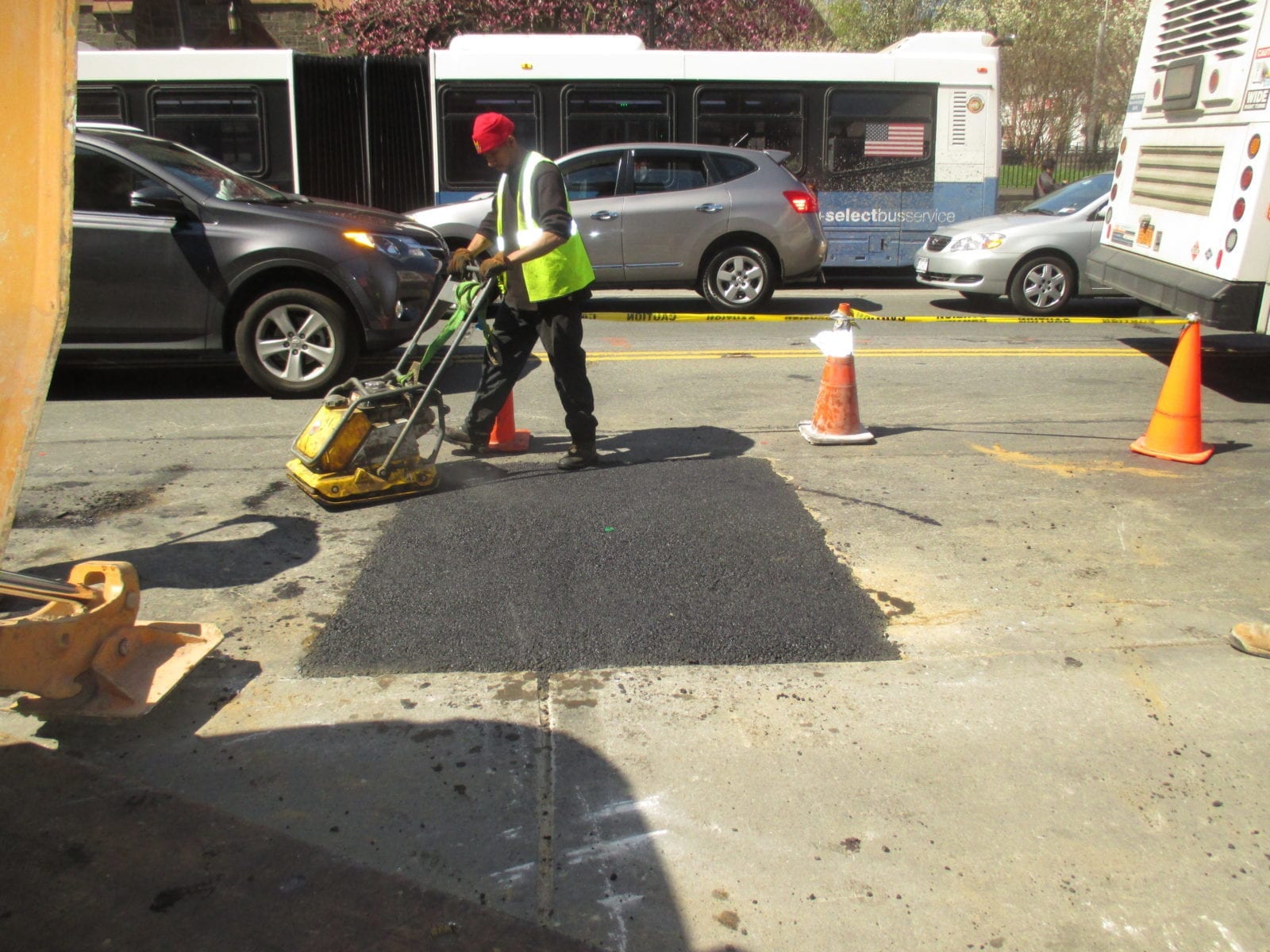
Once we know what is wrong, we help you decide whether a focused repair or a full replacement is right for your property. On newer copper lines, a local fix can sometimes make sense. On older services, especially those with lead or galvanized water lines, a complete water line repair and replacement is usually the smarter choice.
For new installations, we recommend materials and methods that respect both NYC code and real-world experience. High-quality copper is still the standard pipe for water line service in the city. It handles local soil, pressure, and temperature changes well. A properly installed, insulated underground water line sits at the correct depth, on the right bedding, with careful backfill so it can handle many winters without trouble.
We also pay attention to underground water line insulation and outdoor water line insulation for shallow or exposed sections. Small details in how the line is protected add up over time. When we talk about main water line replacement or targeted exterior water line repair, we are not just thinking about today. We are thinking about the years you plan to live in or rent out that building.
Disclaimer: This article is general and may not reflect NYC requirements. For NYC-specific guidance, contact Harris Water Main & Sewer Contractors.
You cannot control everything that happens under the street, but you can make choices that lower the risk to your water lines underground. A few simple habits help:
If you know your property still has very old piping, planning for exterior water line repair or full main water line replacement can save you from late-night emergencies later. Updating sections of the domestic water line inside at the same time can also prevent future headaches, because there is no benefit to feeding a brand new service line into badly corroded inside piping.
When something does not feel right, reach out to experienced water line contractors who work on the full system, from the street connection to the fixtures. At Harris Water Main & Sewer, we handle everything from main water line to house repair to complex water line service upgrades. Whether you need quick emergency water line repair or you are planning a long-term upgrade, we are here to walk you through each step so you can protect your home, your tenants, and your peace of mind.