We get this question all the time: Is sewer line insurance worth it? The short answer is that water and sewer line insurance can help in a narrow set of situations, but many claims still get turned down. Below, we break down the most common denial reasons in simple terms, so you can decide whether these plans make sense for your home.
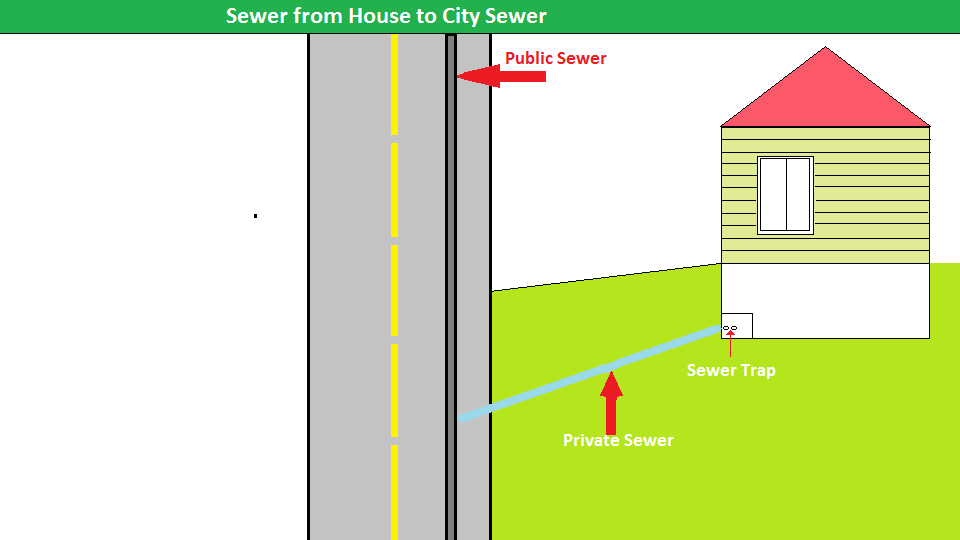
Before we talk about denials, let’s set the base. Most plans promise sewer line insurance coverage or water service line insurance for the pipe that runs from your home to the public main. The fine print decides what is paid for, how much is spent, and who does the work.
Common questions we hear:
Many denials happen because the break is outside the plan’s map. Some plans limit main water line insurance coverage to the section on your private property only. If the leak is under the sidewalk or in the street, the plan may say it is not their zone.
Tip: Get a one-page email that shows your exact sewer line insurance coverage, total feet covered on your property, the dollar cap, and the emergency steps you must follow.
Plans often list which pipe materials they cover. Older homes can have lead, clay, or galvanized steel. If your contract only covers certain materials, insurance for sewer lines may not apply.
Tip: If your pipe is older, ask the company to confirm coverage by material. You can still keep insurance for the sewer line in place, but know where it stops.
Wear and tear, slow leaks, and long-term corrosion are the top reasons for a denial. Companies say it is maintenance, not a covered failure. If you ask, “Is sewer line repair covered by insurance?” the real answer is: only when the cause fits the plan rules.
Tip: Keep basic maintenance records. Small fixes today protect tomorrow’s claim and your sewer line protection.
A cracked pipe caused by tree roots or shifting soil is common. Some plans treat this as landscaping or ground movement and say it is not in sewer drain coverage. The same issue can happen with heavy vehicle loads on a driveway or road.
Tip: When you call, describe what you see in simple words. Ask the adjuster to explain the cause they recorded, not just the outcome.

Late reporting, starting work before approval, or using an out-of-network plumber can block a payout. Even plans that advertise insurance for a water line to the house may deny it if the steps are not followed.
Tip: In an emergency, shut off water, take photos, call the plan immediately, and write down every call. Good notes help with water line protection insurance decisions.
Many plans help only up to a cap. That is where homeowners feel like the claim was “denied,” even if it was paid a little. If the job costs more than the cap, you pay the rest. This is a common gap with insurance coverage for sewer line replacement, where excavation and restoration add up fast.
Tip: Compare the cap to the local repair cost before you buy sewer line replacement insurance.
Some companies require you to use their contractor. If you choose your own, they may say the claim is not valid. This is why comparing water line insurance companies is important. Each has different rules on visits, inspections, and who can touch the pipe.
Tip: Ask in advance if you can pick your own licensed contractor for sewer and water line insurance work.
Let’s talk price. Sewer line insurance cost is usually sold as a small monthly fee. That looks easy, but the real value depends on your pipe’s age, material, tree roots nearby, soil, street traffic, and your city’s permit rules. If caps are low, your out-of-pocket costs can still be high. That is why people keep asking, “Should I get water and sewer line protection?” The right answer is personal. Look at your risk, your budget, and the exact cap.
It can be, if your pipe risk is high and the plan cap is strong. If your home is newer or the cap is low, an emergency fund may serve you better than sewer and water line insurance.
Yes, if the cause and location fit the contract. Always ask how a broken sewer line covered by insurance applies to your address.
Standard policies do not cover the pipe in most cases. Some carriers offer a homeowners insurance sewer line endorsement that you can add.
Look for water line protection insurance or an endorsement tied to insurance for the water line to the house. Rules vary by carrier and city.
Depth, length, surface restoration, traffic control, and permits. These can outpace low caps from water line insurance companies.
Disclaimer: This article is general and may not reflect NYC requirements. For NYC-specific guidance, contact Harris Water Main & Sewer Contractors.
Plans can help, but denials often come down to location, cause, maintenance, network rules, and caps. If you choose to buy water and sewer insurance, read the summary first and match it to your home. If you skip a plan, set aside a small monthly amount in your own repair fund and keep up with inspections.
Need fast help today? We deliver licensed repairs and replacements across NYC. We handle permits, inspections, and clean restoration. Choose the team customers call best for reliability and value. Explore options, including sewer and water line insurance guidance, at Harris Water Main & Sewer.