Lead vs Copper Water Mains: Risks & Benefits Explained
News & Resources
5 MIN READ
SHARE:
Lead vs. Copper Water Mains: Risks, Costs, and Benefits
At Harris Water Main & Sewer Contractors, we understand how important it is for homeowners to have reliable and safe water systems. When it comes to your home’s water pipes, two materials often go into the conversation: lead service lines and copper pipes. But with the growing awareness of the dangers of lead, many homeowners are left wondering if it’s time to replace their lead water pipes. In this article, we’ll walk you through the risks, costs, and benefits of lead pipe replacement, as well as why copper piping is often the preferred solution.
What Are Lead Water Pipes, and Why Do They Pose a Risk?
For many decades, lead service lines were the go-to option for plumbing systems in residential homes. Unfortunately, over time, we learned that lead is a toxic metal that can leach into drinking water, causing significant health risks.
Health Risks: Even small amounts of lead exposure can lead to developmental problems in children, affecting their ability to learn and concentrate. In adults, lead exposure has been linked to kidney damage, high blood pressure, and reproductive issues.
Lead Contamination: Lead leaching occurs when lead pipes corrode, releasing the metal into the water flowing through them. This is why replacing lead pipes is crucial for the safety of your family.
If your home still has lead water service lines, it’s essential to replace lead pipes as soon as possible, not only for health reasons but also because of the potential for future plumbing issues, including frequent clogs and pipe corrosion.
Copper Pipes: A Safer, Longer-Lasting Alternative
So, what’s the best solution? Copper piping has long been considered the gold standard for residential plumbing. But what makes copper pipes in homes so special?
Safety for Drinking Water: Copper piping is safe for drinking water and meets plumbing codes in most areas. Unlike lead, copper does not leach harmful substances into your water.
Durability: Copper pipes are resistant to corrosion and can last 50–100 years with proper care, making them a solid investment for your home’s plumbing system.
Antimicrobial Properties: Copper naturally has antimicrobial properties, helping prevent bacterial growth inside the pipes.
As the industry standard for modern plumbing, copper pipes are durable, resistant to corrosion, and safe for drinking water. They are the preferred choice when replacing lead service lines.
The Cost of Replacing Lead Pipes With Copper
While copper pipes are a superior alternative to lead water pipes, it’s important to consider the cost of replacing lead pipes. Here’s a breakdown of what you can expect:
1. Lead Pipe Replacement Costs:
Nationally, the cost of replacing lead pipes ranges between $3,000 and $10,000, depending on various factors, including the size of your home and the complexity of the job.
In New York City, service line replacement costs can vary from $6,000 to $12,000 or more, depending on the neighborhood and whether the water main pipe needs replacing. Factors like permits, excavation, and local plumbing regulations also influence the price.
2. Why Copper is Worth the Investment:
Although the upfront cost of copper pipe replacement might be higher than using other materials, copper lasts longer and requires less maintenance, which can save you money in the long run.
Replacing your lead water service line with copper not only improves water quality but also increases the value of your property, as modern buyers often look for homes that comply with current plumbing standards.
Copper Pipes: A Long-Term Solution for Your Home
While the initial lead pipe removal cost may seem steep, the long-term benefits of copper piping far outweigh the expense:
Durability: Copper’s long lifespan (50–100 years) means fewer repairs and replacements in the future.
Lower Maintenance Costs: Unlike lead, copper does not corrode easily and is less likely to develop leaks or clogs.
Better Water Quality: With copper pipes in your home, you can trust that your water will be free from harmful contaminants and that you are maintaining your home’s plumbing to the highest standards.
When it comes to water systems, copper pipes in houses offer reliability, safety, and durability, something lead pipes cannot provide.
The Lead Service Line Replacement Program in NYC
If you live in New York City, you may qualify for assistance through the lead service line replacement program. This program is designed to replace lead water service lines throughout the city to ensure clean and safe drinking water for all residents.
Here’s what you need to know:
What’s Covered: The program covers lead water service line replacement from the water main to your property.
Cost Assistance: In some cases, the program offers financial assistance for replacing lead service lines, helping homeowners reduce the cost burden.
Program Eligibility: You’ll need to check with your local authorities or contact a licensed plumber who can help determine your eligibility for lead line replacement funding.
You can always rely on Harris Water Main & Sewer Contractors to help guide you through the lead replacement program and manage your lead water line replacement project from start to finish. We are experts in navigating local regulations and getting the job done right.
The Process of Replacing Lead Water Service Lines
How do you go about replacing your lead pipes with copper piping? Here’s a general overview of the steps involved:
Inspection & Assessment: A licensed plumber will conduct an inspection to identify if you have lead water pipes. If so, they’ll evaluate the extent of the replacement work.
Obtaining Permits: Depending on your location, the plumber will help secure any necessary permits required for replacing your lead service line.
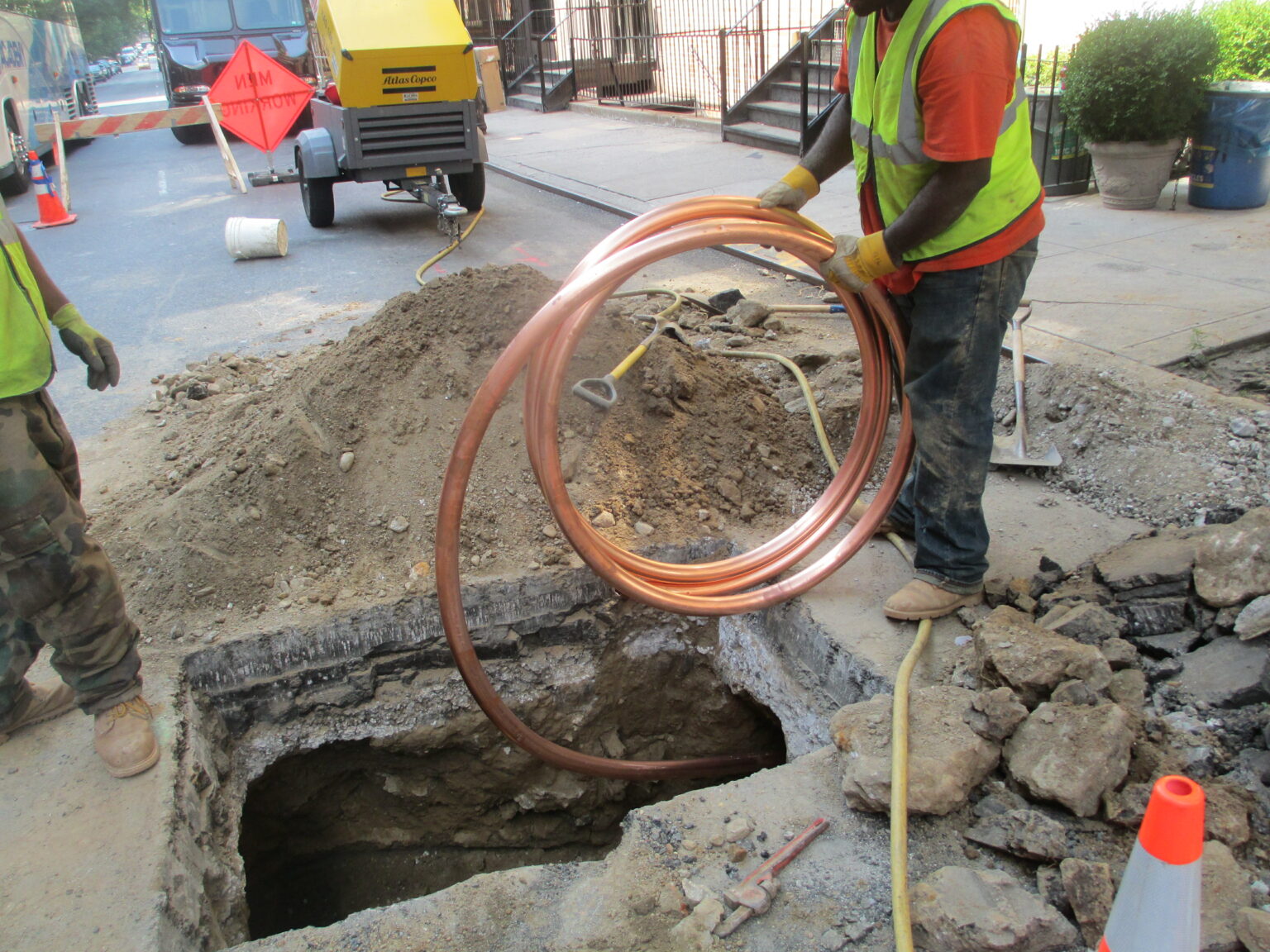
Excavation & Pipe Removal: The plumber will excavate the area around the lead pipe and remove it.
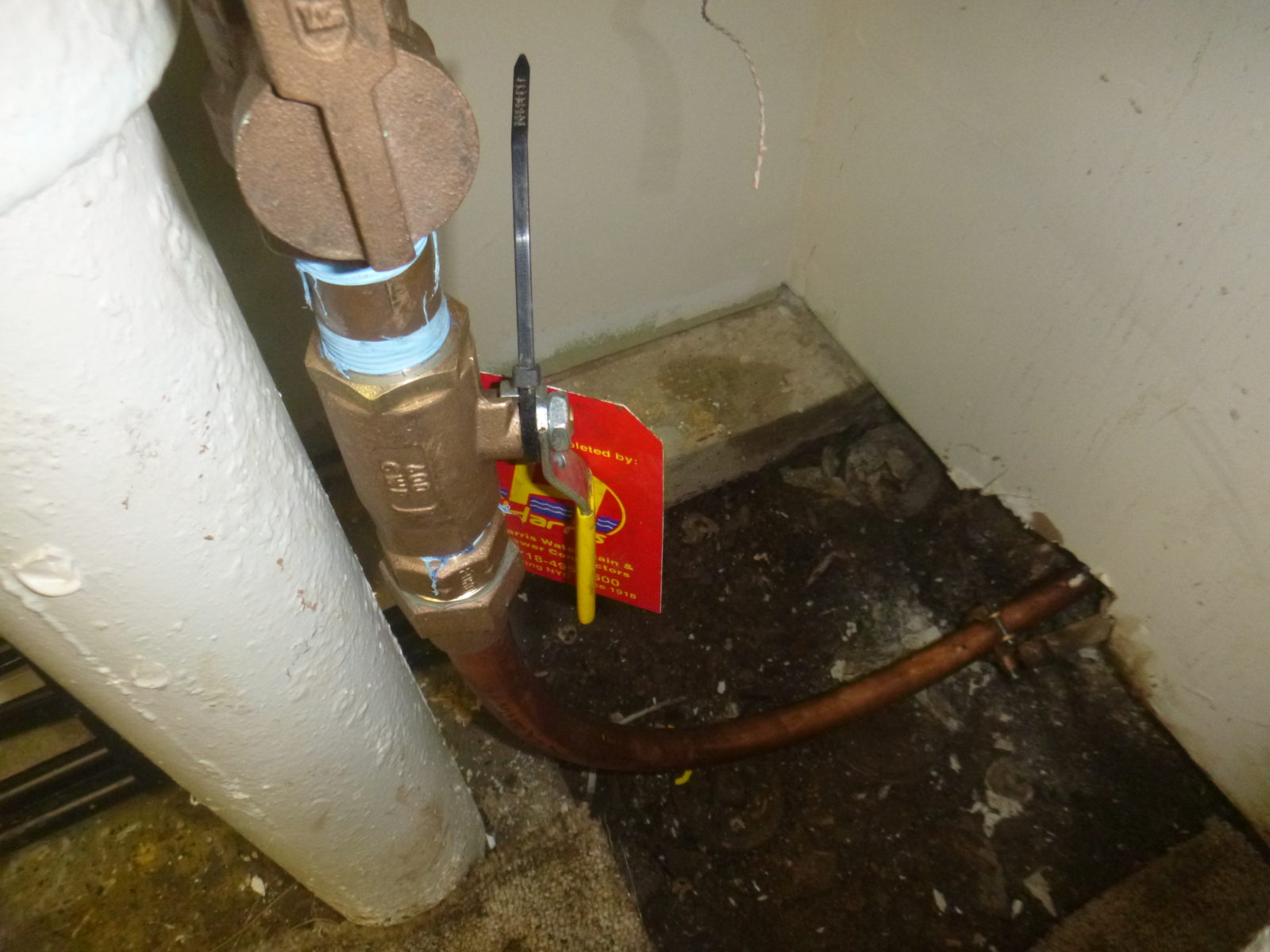
Installation of Copper Pipes: Copper pipes will be installed to replace the lead, ensuring compliance with local codes.
Restoration: Once the lead pipe removal is complete, the area will be restored to its original condition, whether that involves fixing the yard, driveway, or sidewalk.
Are Copper Pipes Safe for Drinking Water?
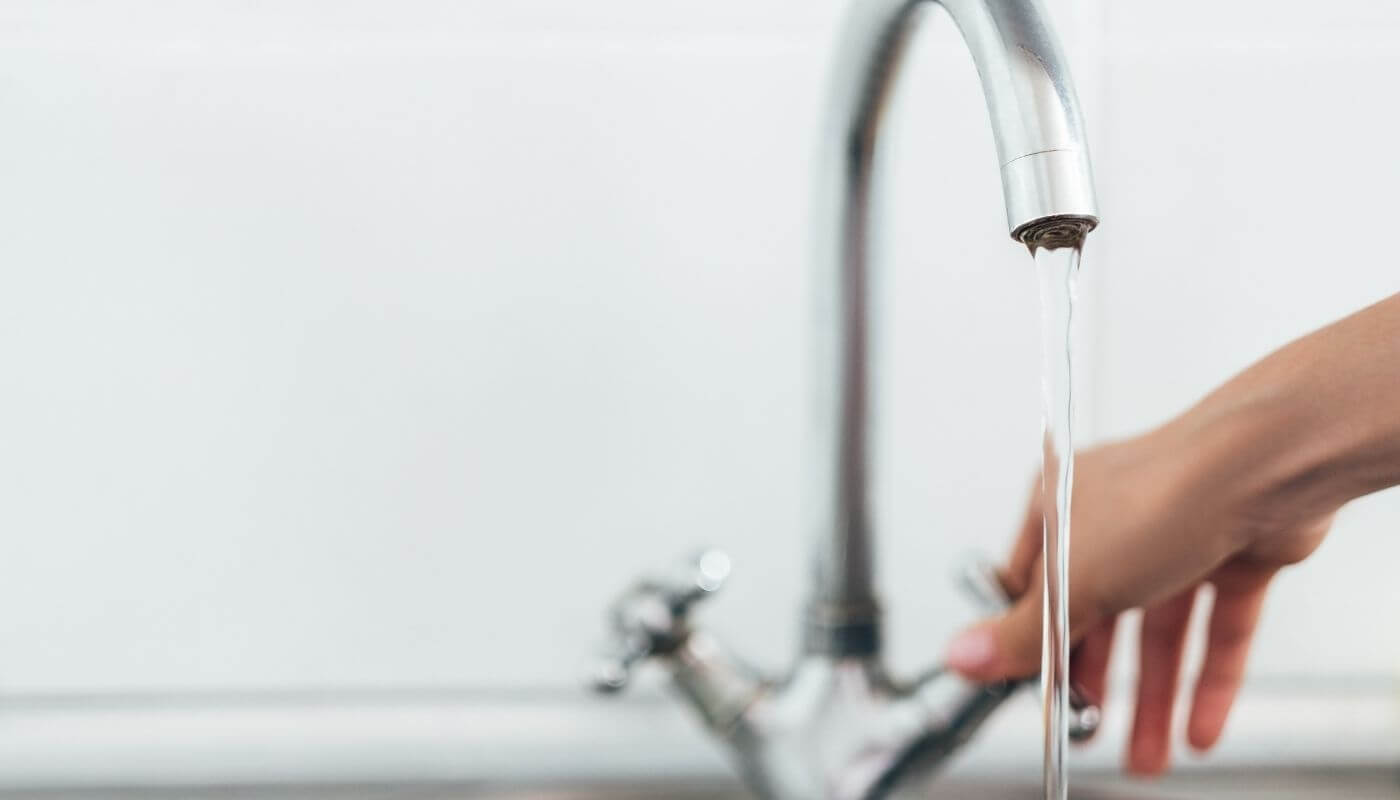
One of the most common questions homeowners have is whether copper plumbing is safe for drinking water. The answer is yes! In fact, copper tubing is widely recognized for its safety and durability, making it the top choice for plumbing in residential homes.
Why is copper used in water pipes?
Durability: Copper doesn’t corrode easily, so it provides a long-lasting solution for drinking water pipes.
Antimicrobial Properties: Copper is naturally resistant to the growth of bacteria, making it an excellent choice for water systems.
With copper pipes in your home, you’ll benefit from clean water, fewer maintenance issues, and improved plumbing system longevity.
Conclusion: Why Replace Lead Water Service Lines With Copper?
In conclusion, replacing lead service lines with copper piping is not just about meeting local regulations; it’s about protecting your family’s health, improving your home’s plumbing, and investing in the future of your property. While the cost of replacing lead pipes can seem daunting, the benefits of copper water pipes, including improved water quality, fewer repairs, and increased property value, make it a smart investment.
At Harris Water Main & Sewer Contractors, we specialize in replacing lead service lines with copper piping, and we’re here to make the process as easy and affordable as possible. If you’re ready to replace your lead pipes or want more information about the lead service line replacement program, reach out to us today!