If you live in New York City, you probably do not think about your sewer pipeline until something goes wrong. One day, everything is normal. The next morning, you walk downstairs and smell something awful near the floor drain. Maybe you see a small sewer pipe leak creeping across the basement floor.
At Harris Water Main & Sewer, this is usually the moment we meet you. Most homeowners are surprised to learn how much is happening inside their household sewage pipes and how important the one main line is. In this guide, we want to walk you through how the main line actually works in NYC, where it runs, why it fails, and how we deal with sewage pipe replacement and repairs every single day.
Inside your house, every sink, toilet, and shower is connected to a network of plumbing, sewer pipe branches. Those smaller lines bring all the wastewater into one larger drain sewer pipe called the building drain.
From there, everything flows to the main house trap and into the sewer pipeline that leaves your building. That pipe is your “main sewer,” and it is usually the largest of your household sewage pipes. It runs underground, passes under your yard or sidewalk, and connects to the city sewer in the street.
Gravity does most of the work. A properly designed sewer pipe plumbing system has the right pitch, or slope, so water and solids keep moving toward the street. If that slope is wrong or if the line is damaged, clogs and backups become a lot more likely. This is why we take the layout and angle of every plumbing sewer pipe very seriously in NYC.
Your main line is not just one straight pipe. It is a chain of sewer pipe connections, sewage pipe fittings, and sewer pipe connectors working together under your floor and yard. A typical NYC setup might include:
Every one of these parts has a job. When fittings crack or sewer pipe connectors loosen over time, you can get a sewer pipe leak that you may not see right away. In basements, we sometimes find stains on walls or damp soil around failed sewage pipe fittings that have been seeping for months or years.
The main sewer line is only as strong as its weakest connection. That is why a good sewer pipe inspection does not just look at one section. It looks at the entire path from fixtures to the city connection.
NYC is hard on underground pipes. The age of the building, the street, and even the soil type all affect how long your sewer pipe materials will last. Most older homes rely on cast iron or clay for their household sewage pipes. Newer underground sections may use heavy-duty pipe that is better at handling soil movement and traffic loads.
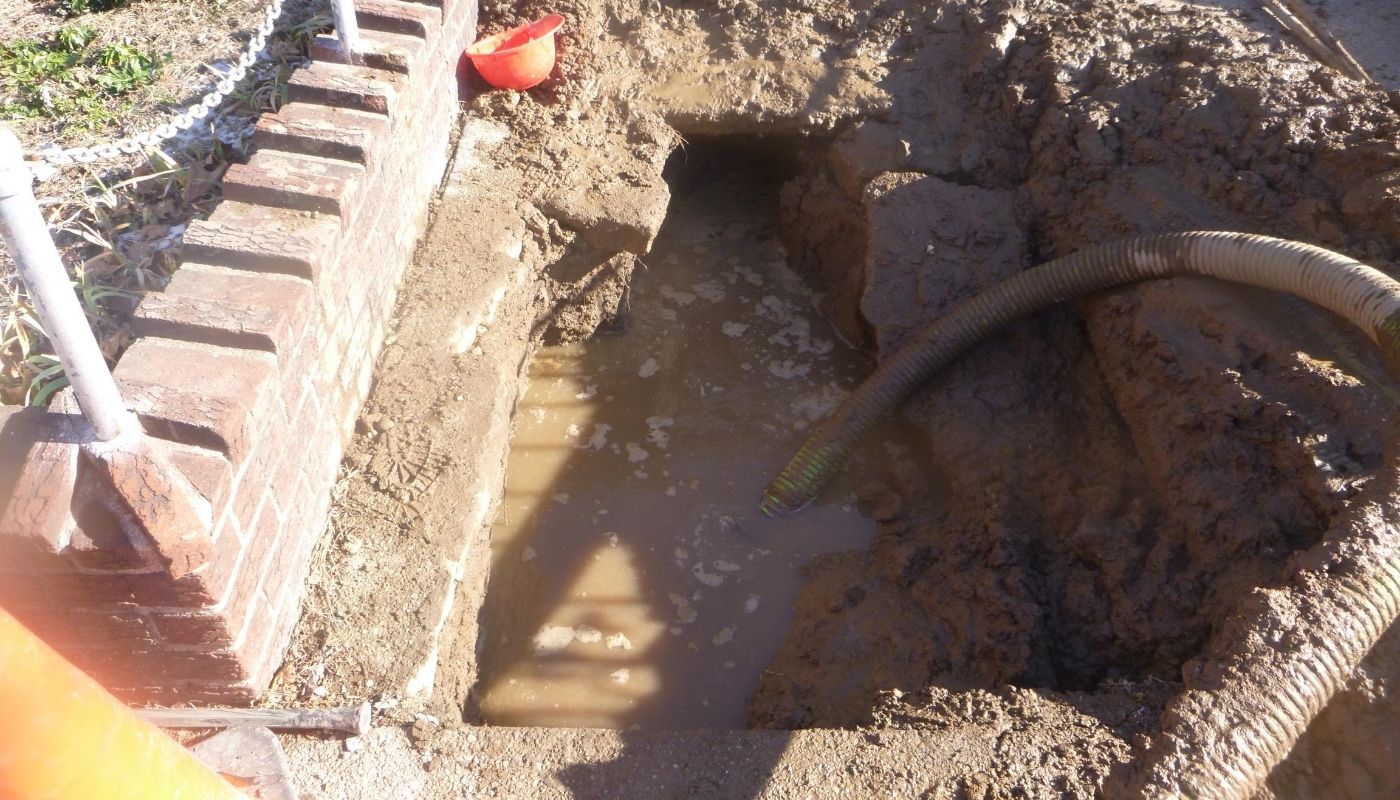
If pipe materials are not matched to local conditions, underground sewer pipe repair becomes a regular event instead of a rare one. For example, we sometimes see thin, light-duty piping used where heavy cast iron should have been installed. That pipe can crack, settle, or collapse under the weight of soil and parked vehicles.
In cold weather, exposed or shallow pipes may also need underground sewer pipe insulation to reduce the stress from freezing and thawing. While sewer lines are usually warm enough from everyday use, shallow sections near outside walls and entries can still suffer if they are not protected correctly.
NYC homes share many of the same mainline issues. Over the years, the most common sewer pipe problems we see include:
When these issues build up, homeowners often face big decisions about sewage pipe replacement or more targeted underground sewer pipe repair. A simple clog can sometimes be cleared with cleaning. A cracked or collapsed plumbing sewer pipe usually needs a real repair plan, not just another quick fix.
Guessing is never a good idea with your main line. When you call us, we start with a careful sewer pipe inspection. On many jobs, that means sending a camera down the main sewer pipe so we can see what is going on inside your sewer pipeline.
The camera shows us:
By seeing the problem instead of guessing, we can decide whether a focused repair, new fittings, or a longer section of sewer pipe plumbing work is needed. We also look at where the sewer pipe leak is in relation to your foundation, yard, and sidewalk so we can choose the least disruptive way to reach it.
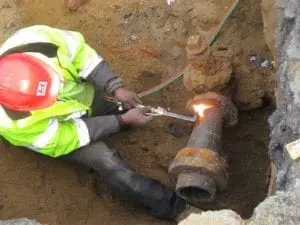
Once we know what is wrong, we talk about the best fix. Sometimes we can repair one section of the plumbing sewer pipe and keep the rest of the service line. Other times, especially with very old sewer pipe materials, a full sewage pipe replacement is the only smart option.
On replacement jobs, we remove damaged sewer pipe connectors and fittings, then install new sections with proper sewage pipe fittings and slope. In certain locations, we may also add sewer pipe insulation to protect shallow or exposed sections from temperature swings and ground stress.
Good underground sewer pipe repair is about more than just the pipe itself. We also think about future access for any sewer pipe inspection and how your sewer pipe plumbing will behave during heavy rain, long showers, and everyday family use. Our goal is a system that handles all of that quietly without calling attention to itself.
Disclaimer: This article is general and may not reflect NYC requirements. For NYC-specific guidance, contact Harris Water Main & Sewer Contractors.
You do not have to become an expert on sewer pipe plumbing, but a few simple habits can give your main line a longer life:
If you notice recurring issues or suspect a sewer pipe leak, it is better to check early than to wait for a full backup. At Harris Water Main & Sewer, we work on sewer pipeline problems in NYC every day. We understand how local buildings are built, how pipes age in this city, and how to plan smart underground sewer pipe repair that protects your home for the long run.
When you are ready to understand what is really happening under your feet, we are here to walk you through your options and take the pressure off your main sewer pipeline, one careful repair at a time.