HomeServicesDEP NoticesDEP 3-Day Notices In Error

DEP 3-Day Notices In Error

image0-1

What Happens When a DEP 3-Day Notice Is Issued in Error?

When a DEP investigation determines that a property’s private water service line was not the source of the reported leak, the 3-Day Notice may be confirmed as having been issued in error. This is good news for the property owner, but it naturally raises an important question: If my water line was not the problem, why is there still a balance due? 

The answer is that the true source of an underground leak usually cannot be confirmed from the surface. By the time the notice is proven incorrect, the contractor has typically already incurred most of the job’s cos through permits, labor, materials, trucks, machinery, excavation, testing, site protection and restoration. 

This guide explains what happened, why the work was necessary and how Harris will assist with the next step.

What Is a DEP 3-Day Notice?

The New York City Department of Environmental Protection (DEP) issues a 3-Day Notice when it believes a leak is coming from the private water service line connecting a property to the City water main beneath the street. Because the property owner is responsible for that private service line, the notice requires the owner to hire a properly licensed plumber and begin addressing the condition quickly.

Why the Source of the Leak Is Not Always Obvious

Underground water does not always rise directly above the location of the leak. It can travel beneath the roadway or sidewalk and surface in front of a different property. What appears to be a leak from one building may actually be coming from a City water main, valve, hydrant, neighboring service line or another underground source.

In many situations, there is no reliable way to confirm the source until the roadway is opened and the property’s service connection is physically accessed, isolated and tested.

What Harris Must Do to Determine the Source

Responding to a 3-Day Notice may require Harris to complete most or all of the following before anyone can determine that the notice was issued in error:

  • Obtain emergency DEP and DOT permits
  • Schedule and mobilize a repair crew
  • Send trucks, excavation machinery, tools and materials to the property
  • Establish required traffic and pedestrian protection
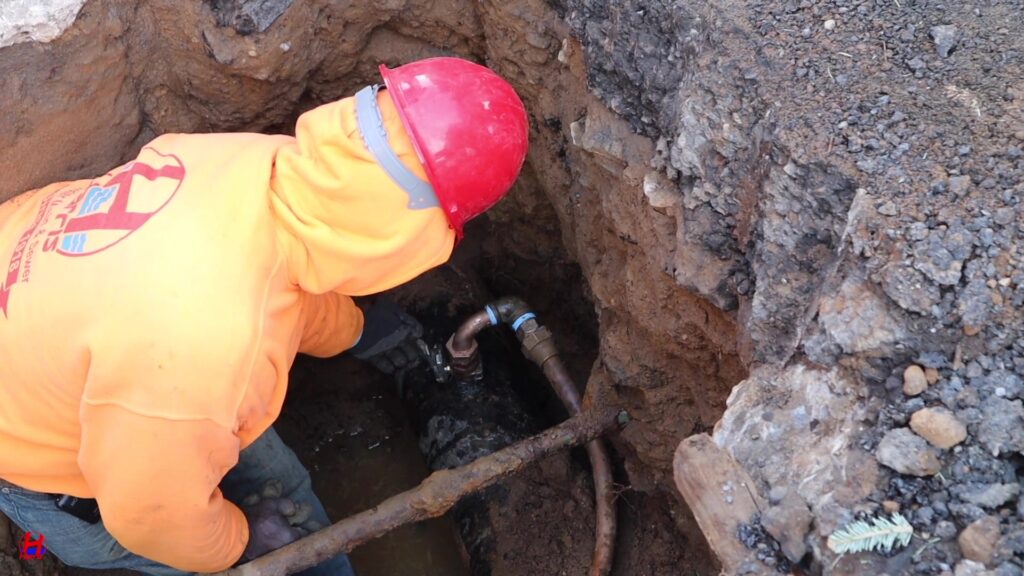
  • Open the roadway or sidewalk and excavate to the water service connection
  • Access, isolate and test the property’s private water service
  • Coordinate additional inspections or testing with DEP
  • Secure the excavation and install or maintain roadway plates when required
  • Document the findings with photographs, reports and job records
  • Restore the roadway or sidewalk after the investigation

Most of the expense is incurred in reaching the answer—not after the answer is already known.

FAQs

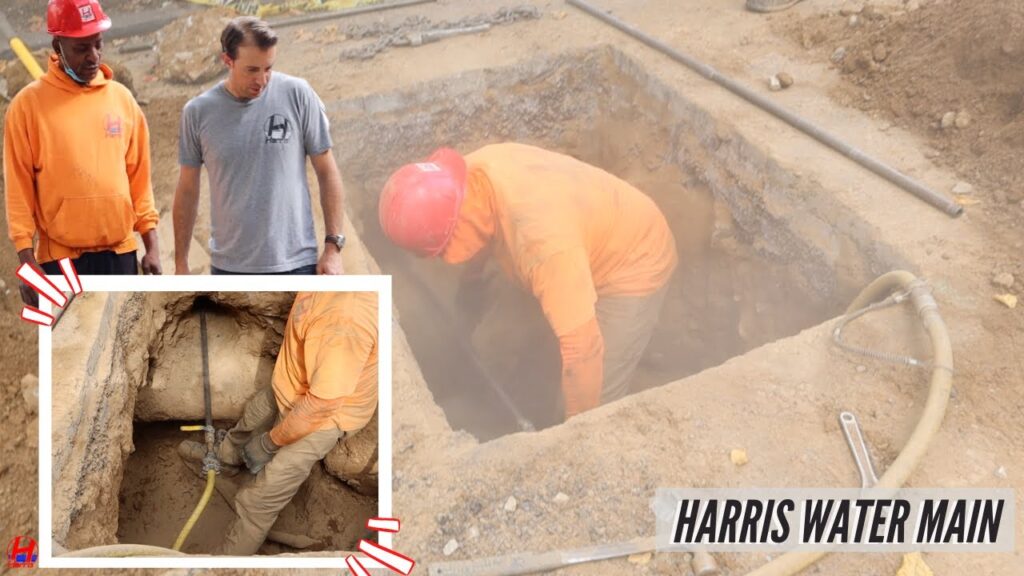
By the time Harris and DEP can establish that the water is coming from somewhere else, the contractor has already devoted substantial time, labor and resources to the job. The permits have been obtained. The crew, trucks and machinery have been mobilized. The roadway has been opened. The connection has been accessed and tested. The work area must then be secured and restored.


Those costs are real regardless of whose line ultimately caused the leak. The balance is not a charge for an unnecessary repair. It is payment for the emergency investigation and field work that made it possible to determine and document that the property’s private water service was not responsible.


Why the Deposit Does Not Cover the Entire Cost


The initial deposit is a down payment that allows Harris to begin the emergency process. It helps cover the immediate cost of permits, scheduling, mobilization and the start of the field work. It is not intended to represent the complete cost of all labor, equipment, excavation, testing, roadway protection and restoration performed at the site.


The remaining balance reflects the rest of the work and costs incurred under the agreement.
Because underground conditions are not fully known when emergency work begins, Harris addresses this exact possibility before the job starts. Our 3-Day Notice contracts include the following provision:


“Contractor is working in adherence to a DEP 3-Day Notice. In the event the 3-Day Notice is issued in error, owner is responsible for paying contractor per contract, and contractor agrees to assist owner with the NYC Comptroller reimbursement process.”


In plain language, this means Harris must be paid for the work performed and costs incurred in responding to the notice. It also means Harris has committed in advance to assist the property owner by providing available documentation for a potential claim through the New York City Comptroller’s Office. We include this language so the possibility is explained from the beginning and the client knows Harris will remain available to help with the next step.

Harris is hired by the property owner—not by the City of New York. The City does not directly pay Harris when a notice is later determined to have been issued in error. Therefore:

  1. The property owner pays Harris for the work performed under the contract.
  2. The property owner may then submit a separate claim to the City for possible reimbursement.

Paying Harris does not prevent the property owner from seeking reimbursement. In fact, final invoices and proof of payment may be important supporting documents for the claim.

When DEP confirms that a notice was issued in error, the property owner may file a claim with the Office of the New York City Comptroller for plumber’s fees or other eligible losses associated with the error. DEP’s own error notice directs property owners to contact the Comptroller’s Office within 90 days.

The Comptroller’s Office investigates the claim and determines whether the City may be legally
responsible and what amount, if any, represents reasonable damages. Reimbursement is not automatic or guaranteed. The City may approve the claim, offer a partial settlement, request additional documentation or deny the claim.

Claims can generally be filed electronically through the City’s eClaim system, by personal delivery, or by registered or certified mail. The claimant should save the claim number and use it in all future communications with the Comptroller’s Office.

The claim must be submitted by the property owner, but Harris will provide available contractor
documentation to support the filing. Depending on the job, that may include:

  • The contract and final invoice
  • Proof of payments received
  • Permit information
  • Job photographs or videos
  • A description of the work performed
  • Available testing or inspection information
  • Available DEP documentation confirming the notice was issued in error

Harris cannot determine whether the City will approve the claim, control how long the investigation will take or guarantee the amount of any reimbursement. We can, however, make sure the contractor portion of the documentation is organized and clearly explains what was done.

As part of the reimbursement review, the NYC Comptroller’s Office will contact the licensed plumber to verify the information submitted, including the scope of work performed and confirmation that the contractor’s invoice has been paid in full.

What the Property Owner Should Save

Keep all documents connected to the incident, including:

  • The original DEP 3-Day Notice
  • DEP’s written confirmation that the notice was issued in error, when provided
  • The Harris contract, invoices and payment receipts
  • Photographs, videos and job reports
  • Permit and inspection information
  • Emails, letters, text messages and complaint or reference numbers
  • Any additional documents requested by the Comptroller’s Office

Do not delay reviewing the claim requirements. City claims are subject to strict deadlines, and DEP’s error notice instructs property owners to contact the Comptroller’s Office within 90 days.

What Happens Next

  1. Harris completes and documents the work required at the location.
  2. The remaining balance for the work performed is paid in accordance with the contract.
  3. Harris provides the available contractor documentation for the claim.
  4. The property owner files the claim with the NYC Comptroller’s Office.
  5. The Comptroller investigates and communicates its decision directly to the property owner.
Keeping You Up to Date

See Our Work

View All

Fully Licensed, Highly Rated

Discover why homeowners and businesses trust Harris Water Main & Sewer for reliable and expert service. With consistently high ratings and glowing testimonials, our commitment to customer satisfaction shines through.

Harris Water was very prompt in providing service. MIKE and the team did a great job. They were on time and delivered great service. I would recommend Harris Water for your plumbing needs…

Tracy Gardenhire

I had an issue that needed urgent attention, and I'm so glad I called Harris Water Main & Sewer Contractors. They were professional, punctual, and clearly knew what they were doing. No mess left behind, and everything is great now. Highly recommend for anyone needing reliable services!

Sejla Radoncic

Great service

Magdalena Tarnawski

All the men were polite, on time, and got the job done efficiently. They were great!

Eve Gigliotti

Mike and his team did a great job. Thank you.

MAX LEVY

Great team doing the job!

David Yee

Get a Free Quote

Contact Us for a Sewer Line Repair Assessment

If you have any questions or need assistance with your DEP 3day notice or water main repair, call us at 718-495-3600 or email us at info@harriswatermain.com. We specialize in providing quick and professional solutions to handle your water main issues.

Get a Free Quote